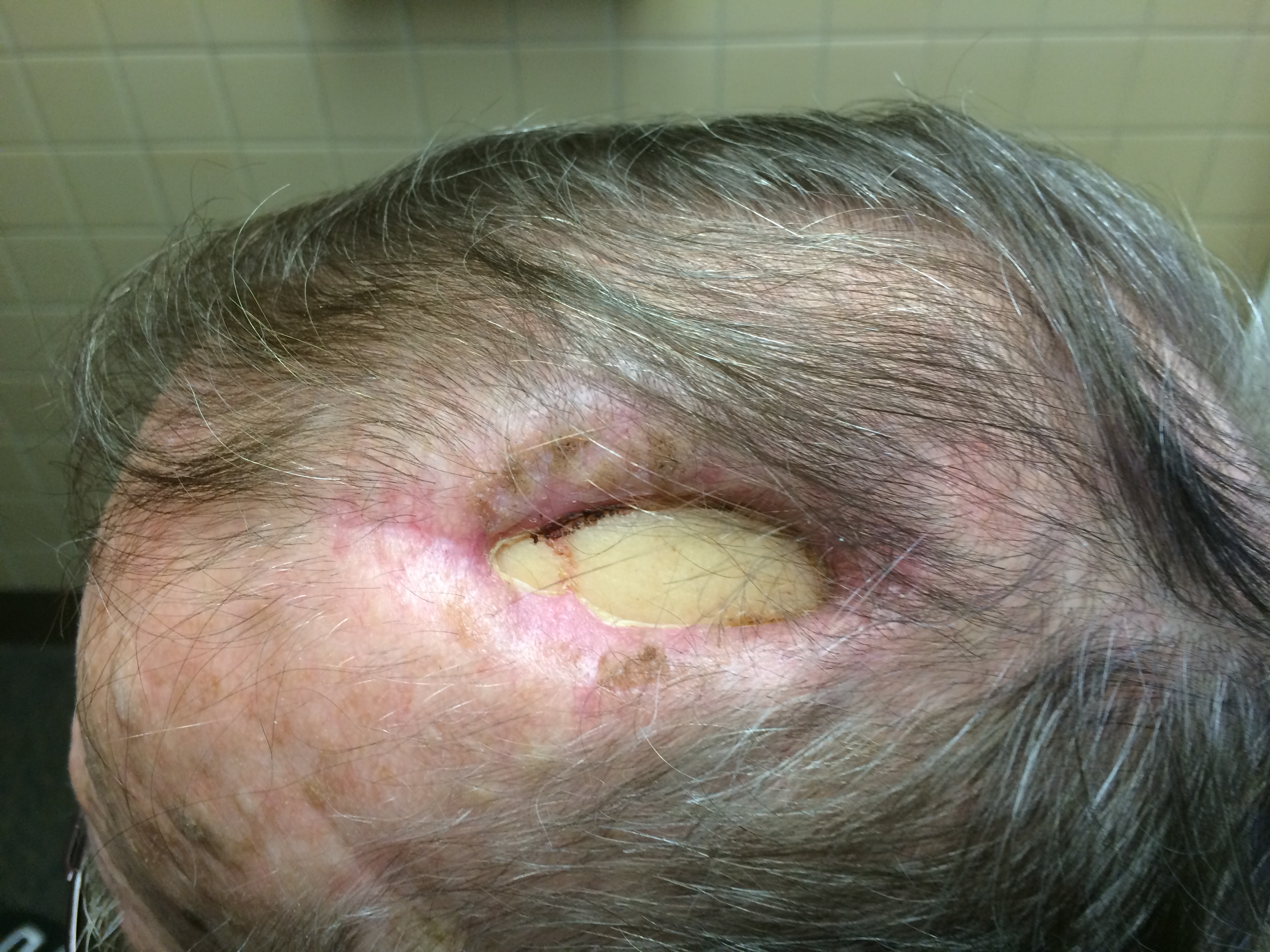
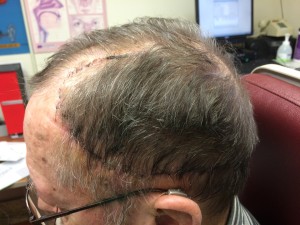
Temporal Arteritis is also known as Giant Cell, Cranial, or Granulomatous Arteritis. It is the most common Vasculititis in the head and neck. In 50% of cases it is comorbid with Polymyalgia Rheumatica (PMR). It will often present with anemia, depression, morning stiffness and low grade fever for more than a month. It is more common in Women and more prevalent over 60. The vasculitis leads to small vessel ischemia and most notably visual loss. Patients will often have intense pulsatile cephalagia, hyperalgesia or the scalp, jaws and tongue. Masticatory claudication is very prevalent. Odynophagia, odynophonia, anorexia, fever, and streaking erythema over the temporal artery are very common. The ESR is usually over 40, and often over 100. Patients will often have high immunoglobulin counts and low albumin. A third of patients will have othamologic involvement. Early steroids are indicated and a six centimeter segment for biopsy is taken as there are skip lesions in up to 30% of patients. If the biopsy is negative and your clinical suspicion is high, might perform a biopsy on the contralateral side. If the diagnosis is made, you may have to treat with steroids up to 2 years. You never want to misdiagnose as migraines or treat with ergotomines, as the risk of blindness exists.
Yearly Archives: 2016
Endoscopic DCR
Endoscopic DCR is a relatively straightforward procedure that opens the lacrimal sac into the anterior middle meatus. I typically stent it for anywhere from 2-6 months. Afterwards, I place the patient on tobramycin drops tid for 10 days. Success should be greater than 90% and the cpt code is 31239.
Intradermal Vaccines
There has been good data on the efficacy of vaccines given intradermally vs subcutaneously or intramuscularly. It actually seems to function superiorly in children and the elderly. I personally take my flu shot this way as I feel it also limits my systemic side effects. 0.1 ml of both the influenza vaccine (Fluogen) and the Herpes Zoster Vaccine (Varivax) in opposite arms seems to lessen the frequency and severity of recurrent upper respiratory tract illnesses.
Scabies
I very experienced allergist and friend surprised me when he treated what I thought was just a heat rash with Permethrin. Scabies (Sarcoptes scabiei) is an itch mite that is highly contagious. It can be sexually transmitted for sure, but it is not always so. It does however require close contact to spread and seems limited to humans (it is not compatible with pets). Itching is severe and it forms papules that often blister. Microscopy scrapings can be difficult and there is even a PCR test available.
Middle Ear Treatments
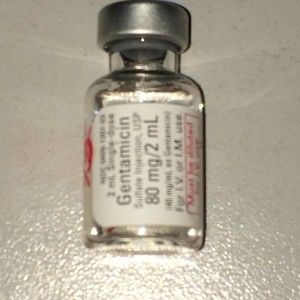
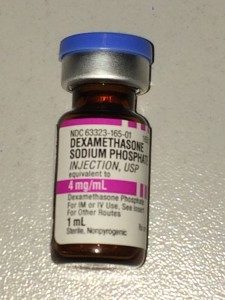
There was an interesting study on the middle ear volume, and it ended up being about 1.4 ml in non diseased individuals. In reality, you rarely get a full ml of fluid into the middle ear when you inject it. There is a number of reasons we put medications directly into the middle ear, such as Meneir’s Disease, sudden sensorineural hearing loss, etc… We are typically using an anti inflammatory such as dexamethasone or an ablative medication such as Gentamycin. Sometimes we combine the agents. When I use the Dexamethasone, I do no dilute, and I put in as much as the middle ear will handle. I typically anesthetize the ear with phenol or EMLA and have patient stay laying in the injection position without swallowing for 20 minutes if possible.
Challenging scalp lesions
Exposed calvarium represents an interesting challenge in reconstructing scalp defects. In order to lay on a skin graft, tissue such as a temporalis flap needs to be mobilized to give a base for the graft to survive on. Otherwise, large “pinwheel” type flaps can be constructed to close this primarily with good success.
This defect was closed with a double layer temporalis muscle flap underlying an occipitally based scalp advancement flap.