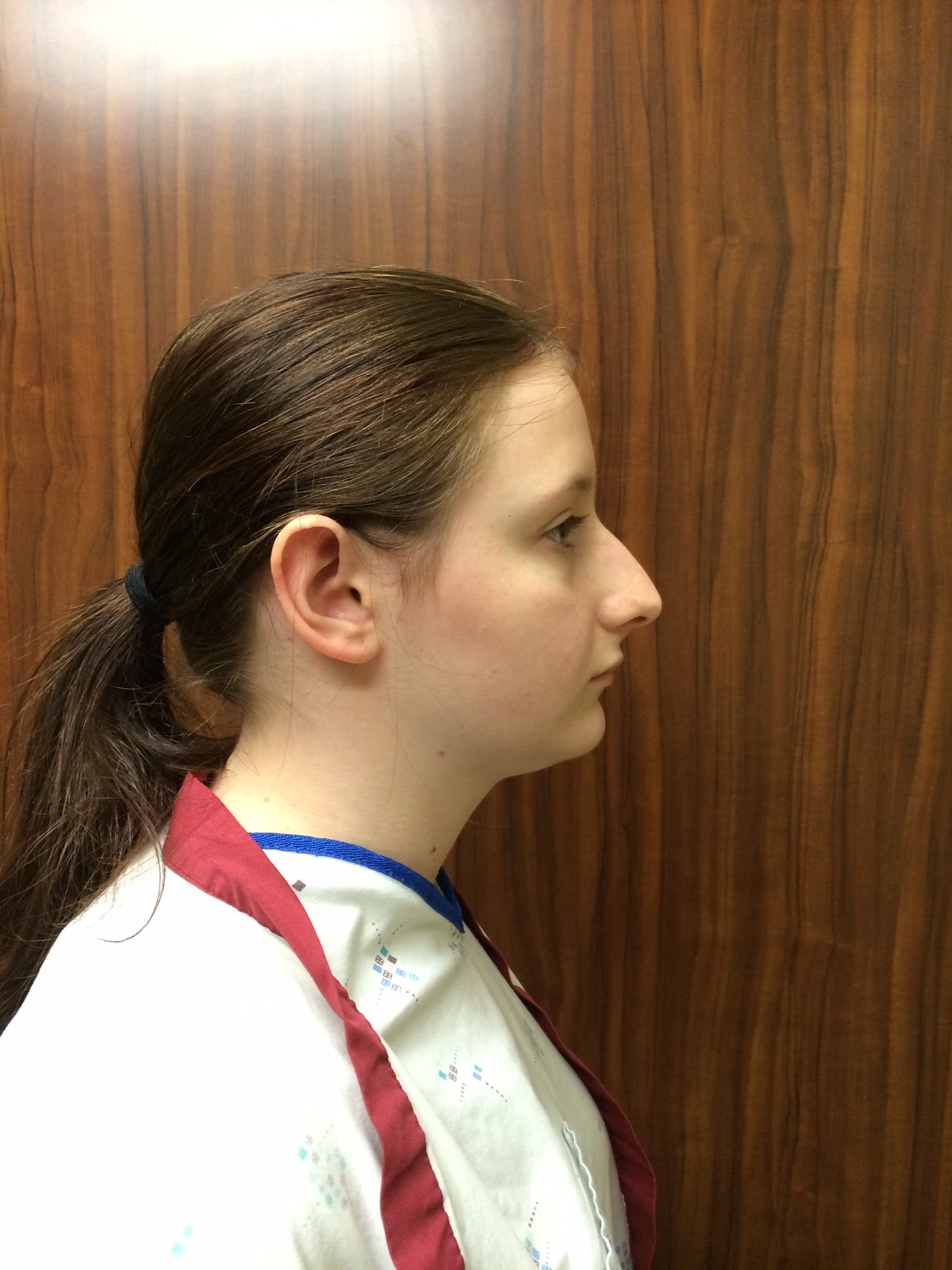
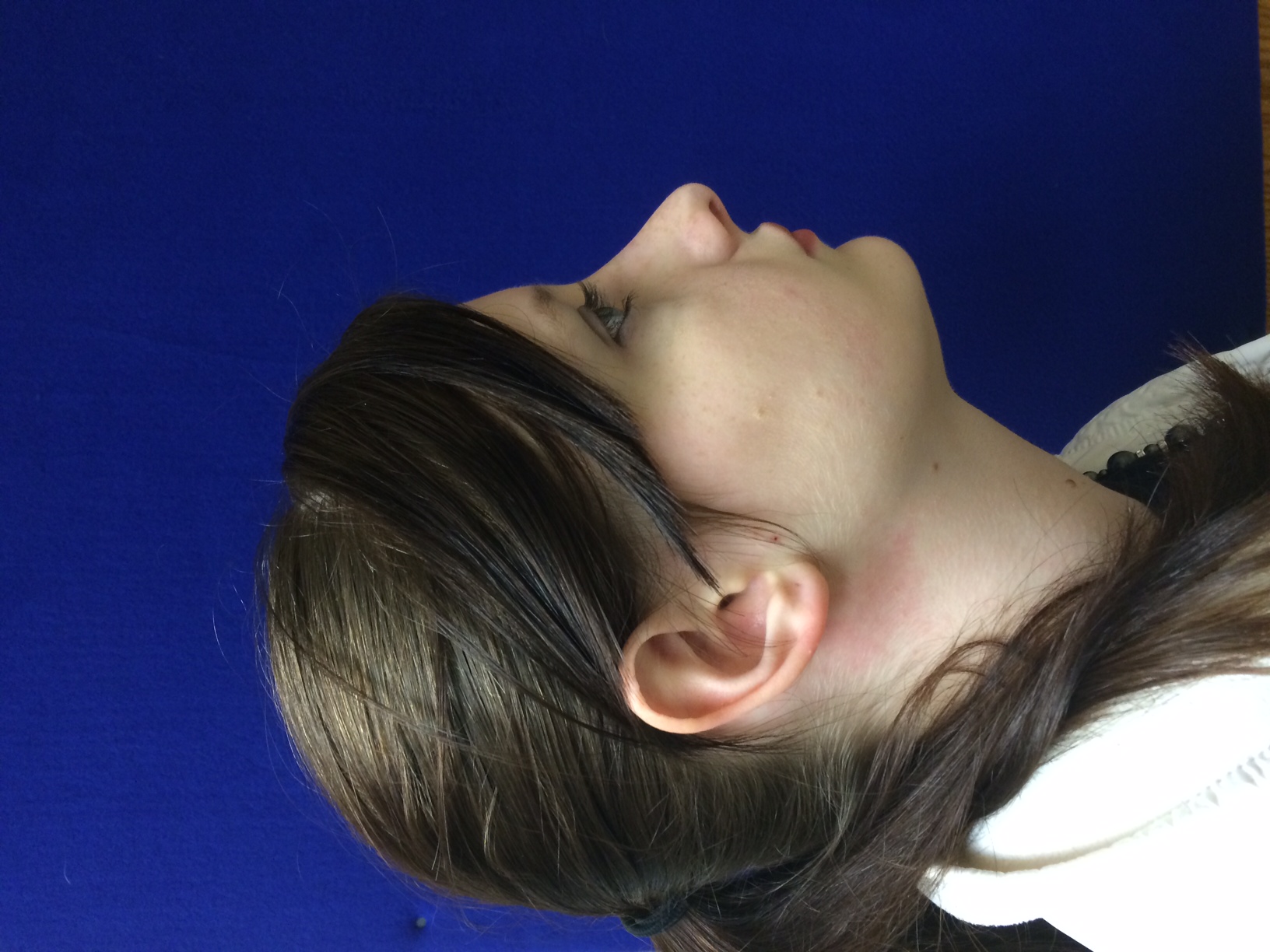
 Congenital nasal masses are rare. Usually they represent trapped epithelial elements, primarily manifesting as epidermal inclusion cysts (63%) or dermoids. Overall, they represent 15% of dermoids. Most often they are midline as that is where congenital fusion completes itself. The higher on the nose they are the more likely the skull base involvement is. Sometimes they are deep to the nasal bones and even manifest in bifidity of the crista galli. Even some lower lesions can retain some fibrous connections to the dura. If there are significant changes to the upper or boney nose then imaging is appropriate. Often both a CT and and MRI are ordered with any anterior CNS connections. If they are low on the nose and obviously separate, I would approach them via external septorhinoplasty approach.
Monthly Archives: April 2015
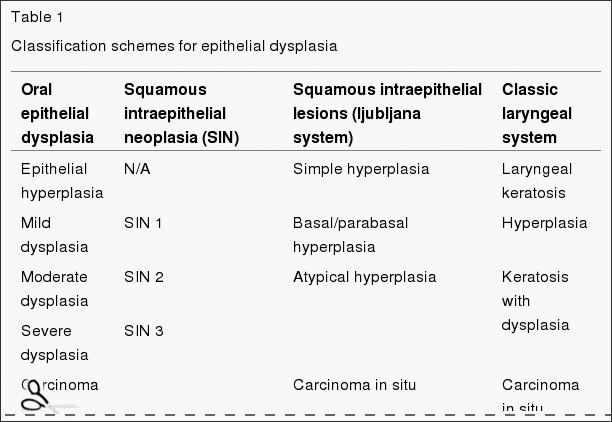
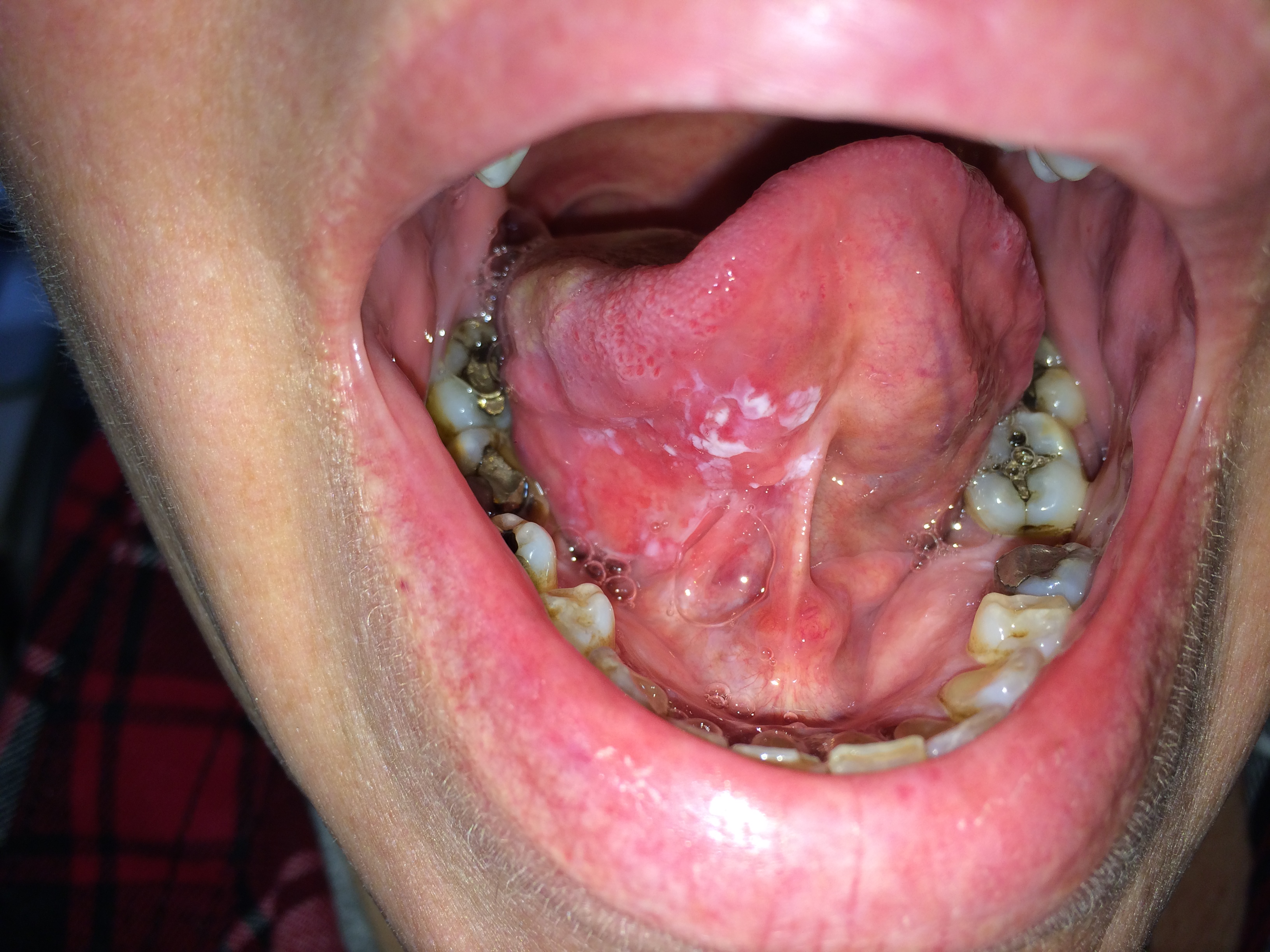
Carcinoma in Situ
Chalazion
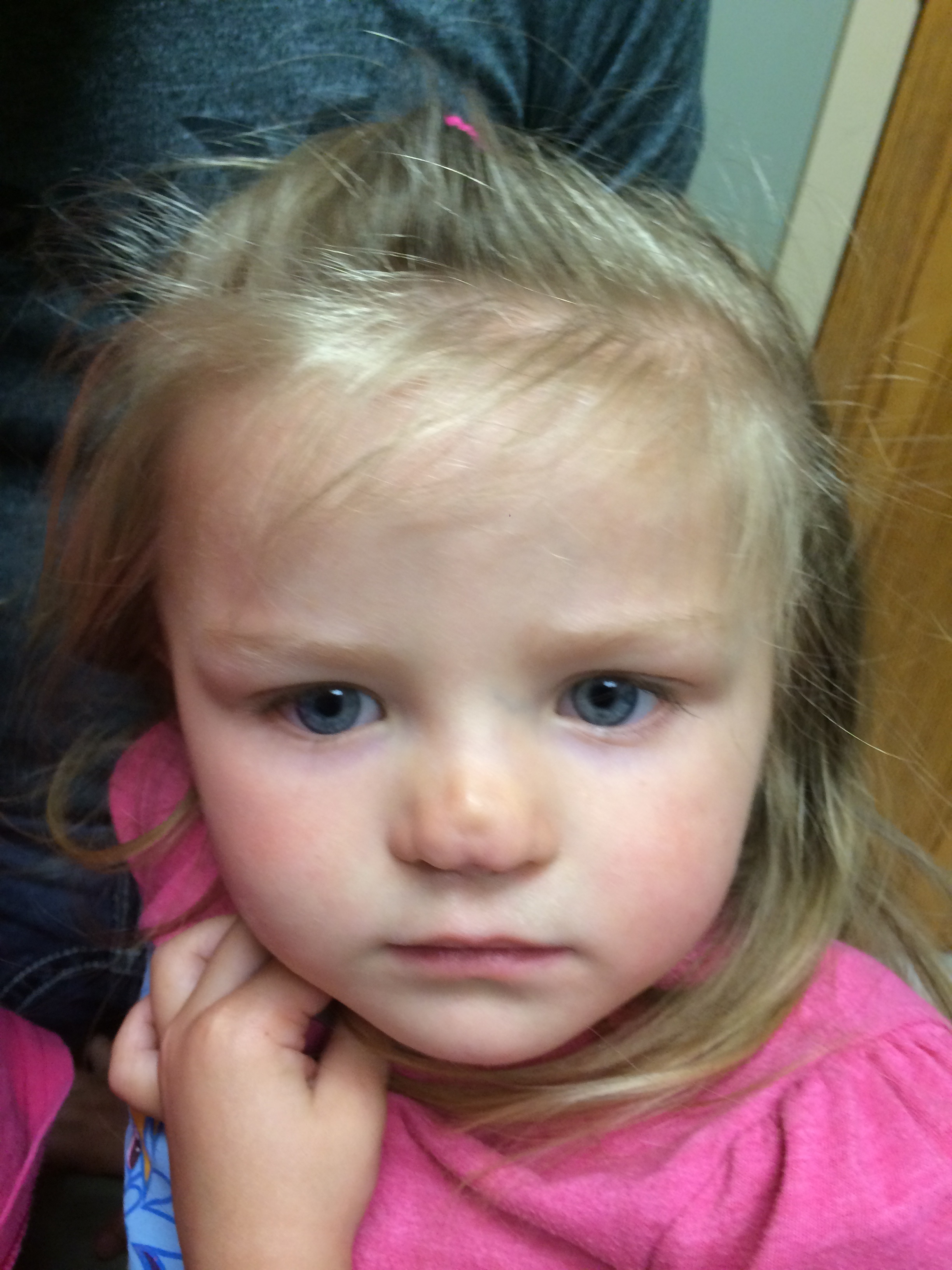
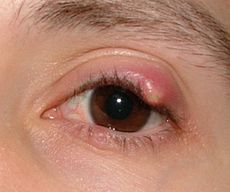 A chalazion (/kəˈleɪziən/; plural chalazia /kəˈleɪziə/), also known as a meibomian gland lipogranuloma, is a cyst in the eyelid that is caused by inflammation of a blocked meibomian gland, usually on the upper eyelid. Chalazia differ from styes (hordeola) in that they are subacute and usually painless nodules. They may become acutely inflamed, but unlike a stye, chalazia usually sit inside the lid rather than on the lid margin.
The Rhinoplasty Experience